What Should You Ask Before a Pest Inspection?
Ants crossing the counter, nighttime roaches, or droppings in a cabinet are good reasons to ask a provider how they will identify the pest before recommending treatment. Ask what the inspection covers, what the findings will include, and how the proposed plan addresses the source not just visible activity.
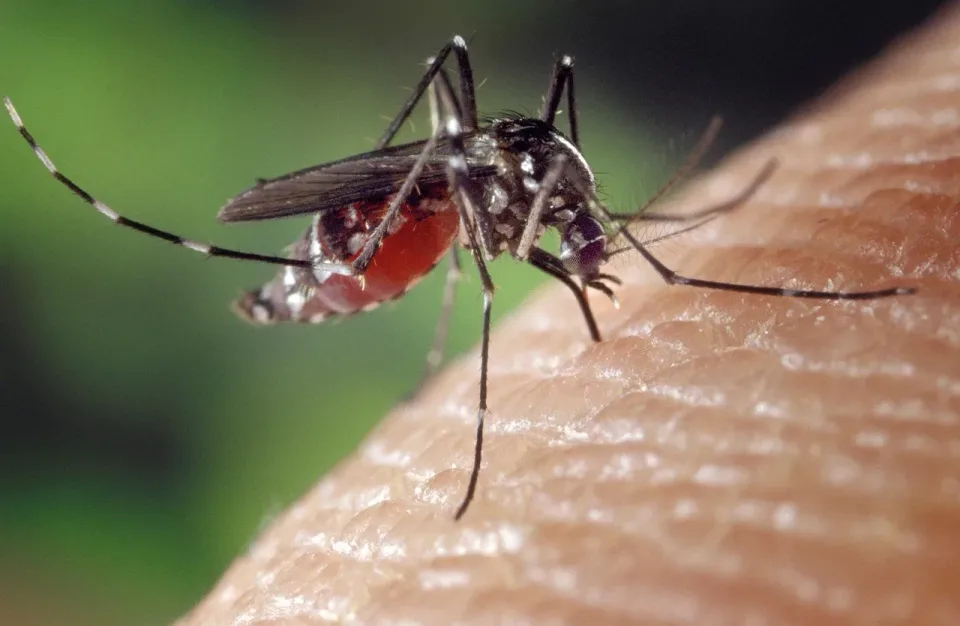
A useful inspection should lead to clear next steps. Humid summer periods favor mosquito breeding, so ask whether standing water and other outdoor conditions are part of the assessment.
Near Fort Kearny State Historical Park, as elsewhere in Nebraska, bring photos and dates of sightings to help the technician focus the inspection.
What should the inspection actually include?
Ask the provider to explain where they will look and how they will distinguish an active infestation from an occasional sighting. A useful inspection connects pest identification to evidence: droppings, shed skins, damaged packaging, entry gaps, or insect activity.
Ask whether the technician checks likely harborage and records findings you can review afterward. Nebraska’s spring temperature swings can change pest activity quickly, so give the provider dates and conditions around each sighting instead of relying on a single snapshot.
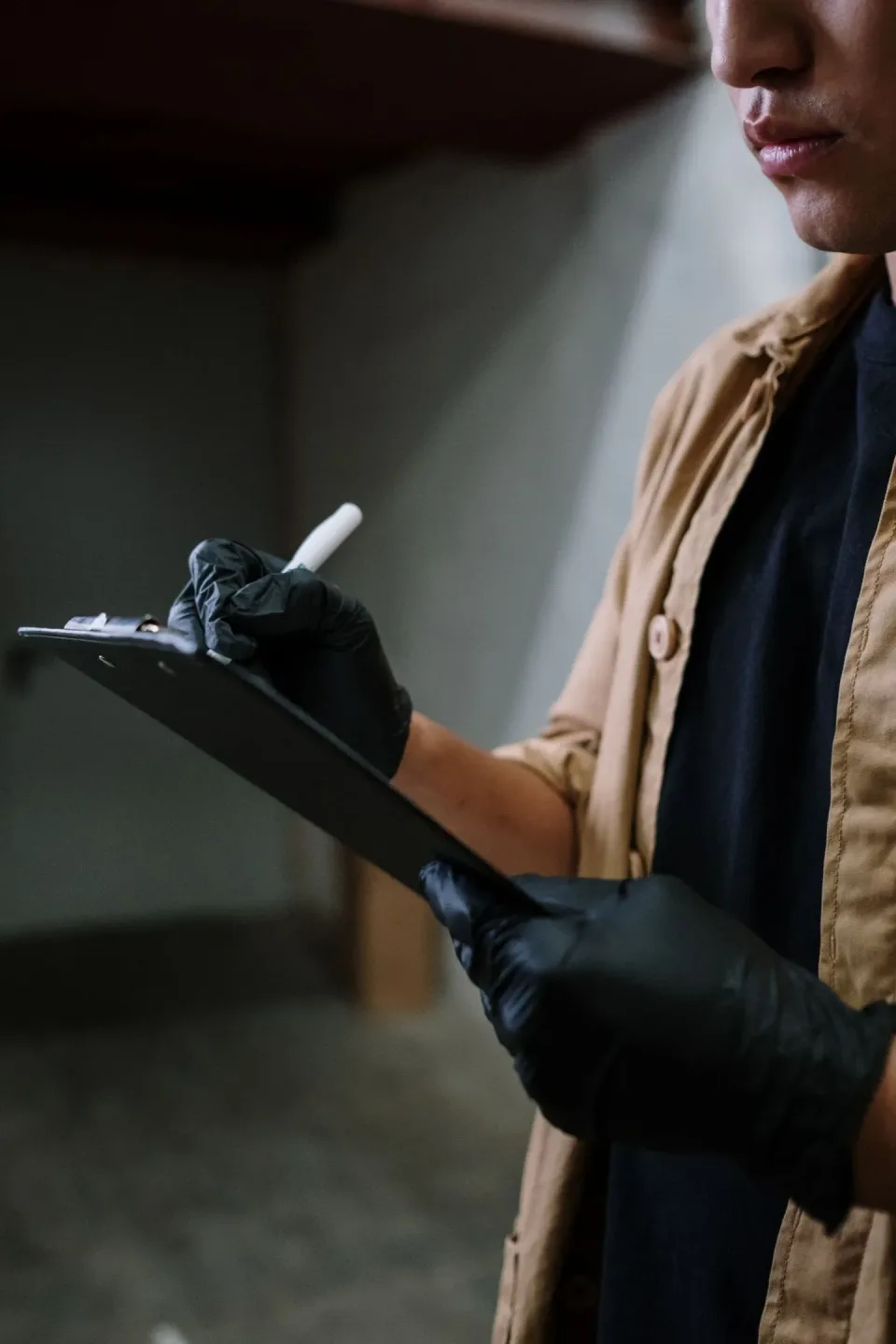
That detail may help explain why a problem appears intermittently. We document what we find and explain the recommended treatment and prevention steps before work begins.
Which treatment questions matter before booking?
Ask what treatment is proposed, where it will be applied, and what preparation is needed. If a provider recommends bait, ask what activity to expect and how progress will be monitored; if they recommend a spray, ask which surfaces or cracks are included.
Integrated pest management should connect treatment with sanitation, monitoring, and exclusion where practical not rely on a product alone. Seasonal humidity varies across eastern and western Nebraska, so ask how local conditions and the specific pest affect the plan.
The Nebraska National Forest near Halsey is a reminder of the state’s varied environments; a provider should explain the conditions at your property rather than assume one approach fits every location.
What should you ask about timing and follow-up?
Get a clear explanation of how the provider will judge whether treatment worked and when a return visit may be appropriate. Ask who to contact if activity continues, what counts as a service callback, and whether monitoring devices should remain accessible.
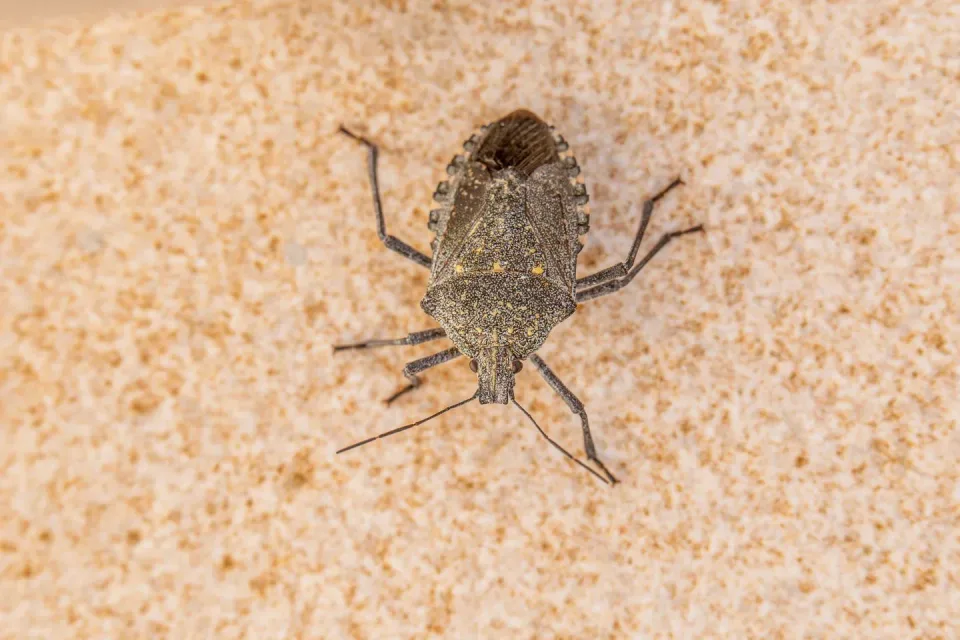
Fall cooling can prompt boxelder bugs to gather on sunny walls, so an inspection plan may need to distinguish seasonal clustering from indoor harborage. Around Ashfall Fossil Beds State Historical Park, changing outdoor conditions are part of the setting; at your home, note where pests gather and whether they appear indoors or outside.
A follow-up plan should reflect the findings and the pest, not a vague promise that activity will stop immediately.
When should you handle it yourself or call a pro?
For a few ants with an obvious food source, clean the area, store food securely, and observe whether activity returns. Call a professional when sightings persist, pests are inside walls or appliances, or you cannot identify the source safely.
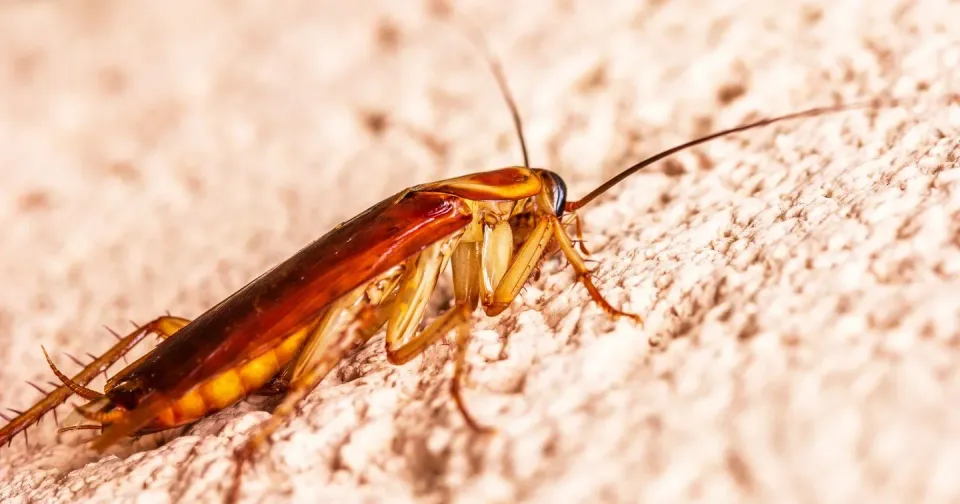
A wasp nest beneath an eave or repeated cockroach activity after dark deserves more than guesswork. The drive past Eugene T.
Mahoney State Park in Ashland may be familiar to local travelers, but the useful inspection detail is closer to home: record the room, time, and exact spot where you saw pests. We use that information to focus the inspection and explain practical options.
For more on one common symptom, read our guide to cockroaches appearing after dark.
Which Inspection and Treatment Option Fits?
The right option depends on what the inspection finds and whether you need to address current activity or track a changing problem. A clear provider should explain the trade-offs before you schedule.
| Option | Best for | Key detail |
|---|---|---|
| One-time pest treatment | A defined, current pest problem | Targets observed activity; ask what follow-up is recommended. |
| Recurring perimeter pest control | Ongoing monitoring around entry points | One-time service addresses current activity; recurring service monitors changes. |
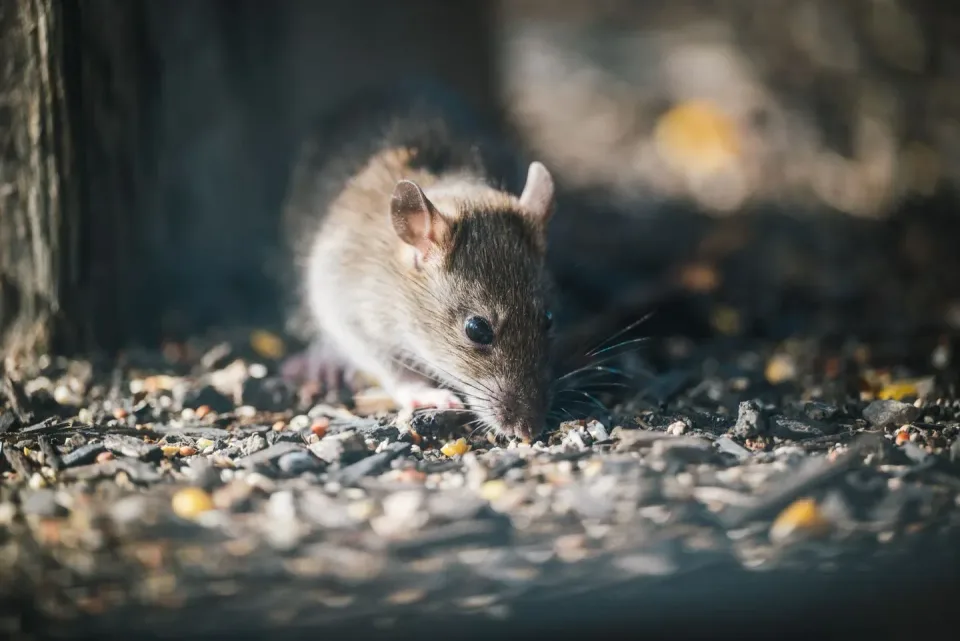
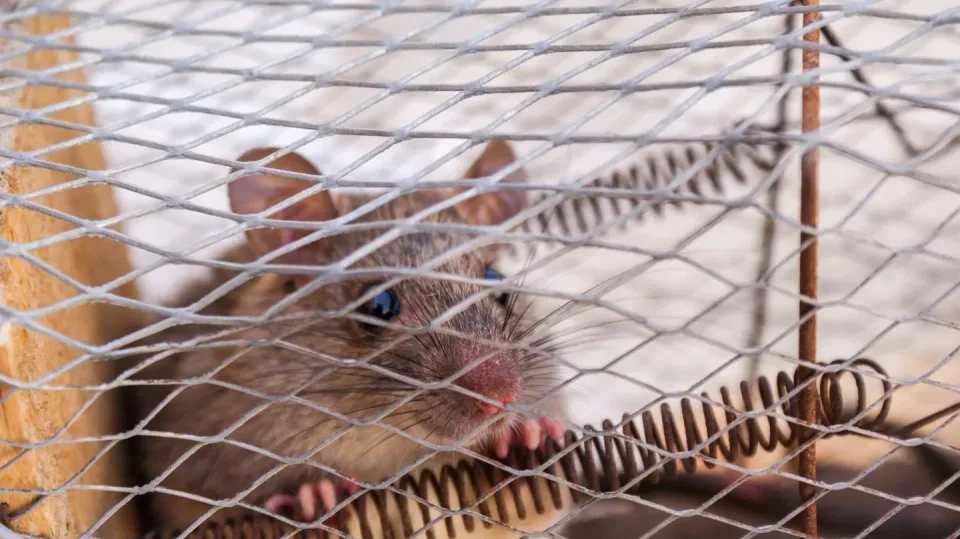
| Rodent trapping and monitoring | Rodent signs and suspected travel routes | Snap traps capture rodents; bait stations monitor activity. |
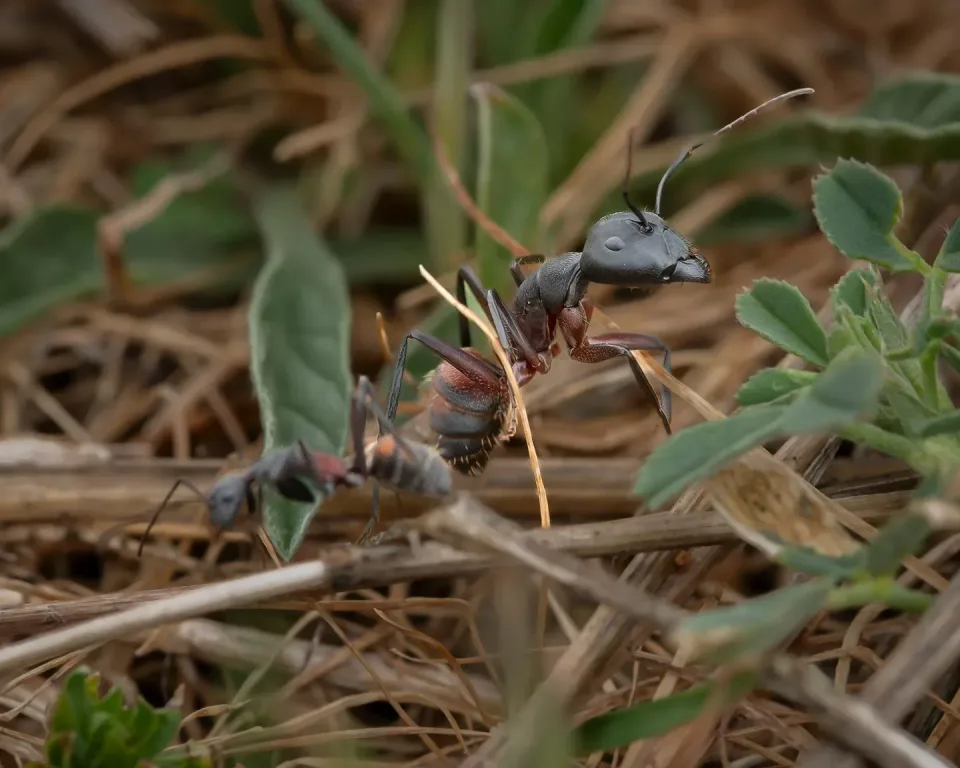
| Ant baiting and exclusion | Ant activity with an identifiable route | Baits target feeding; exclusion blocks access. |
| Interior pest treatment | Pests active inside the home | Interior treatment addresses active pests; exterior treatment targets entry points. |
When comparing plans, ask which findings support the recommendation. If you live near the Nebraska State Capitol in Lincoln, ask the provider to state plainly what the inspection covers and what it does not.
How Do You Prepare for an Inspection?
Mouse droppings inside a kitchen cabinet can point to activity that is easy to miss if the cabinet is emptied before the technician sees it. Photograph the evidence first and mention any past treatments. Keep it simple.
-
Describe the problem: Tell the provider which pest you suspect, when you saw it, and where evidence appeared.
-
Confirm access: Ask whether the technician needs entry to the garage, utility areas, or spaces beneath sinks and appliances.
-
Secure the household: Follow the provider’s preparation instructions for pets, children, food, and dishes before any interior application.
-
Note exterior damage: After thunderstorms or hail, check for damaged siding or rooflines that may need attention during the inspection.
-
Ask about entry points: Freeze-thaw cycles can widen foundation cracks, so ask whether the technician will check the foundation and gaps around utilities.
-
Review the closeout: Ask what was treated, what product information will be provided, and when follow-up may be considered.
If standing water remains after a storm, mention it because it can support mosquito larvae. A walk near Hastings Museum in Hastings may be part of a local day out; at home, the more useful preparation is making access clear and sharing the exact places you have seen activity.
Ready to Ask Nebraska Pest Solutions About an Inspection?
Before booking, make sure you understand what the inspection includes, how findings guide treatment, and what follow-up may involve. Ask for a written explanation of the recommended work and any preparation or re-entry instructions. Keep evidence visible where safe, and note when activity occurs. Those details help us focus the visit.
The Great Platte River Road Archway in Kearney, Lincoln’s Historic Haymarket District, and Lake McConaughy near Ogallala are different stops across Nebraska; pest conditions and property findings differ just as much. Contact Nebraska Pest Solutions to discuss the issue and arrange a Pest Inspection with clear findings and practical next steps.