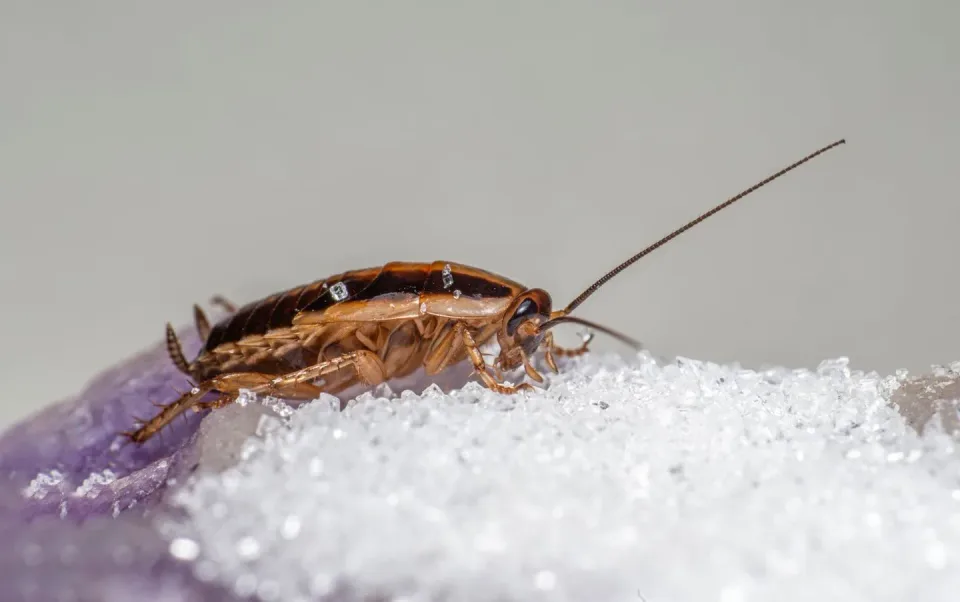
Why Do Cockroaches Appear After Dark?
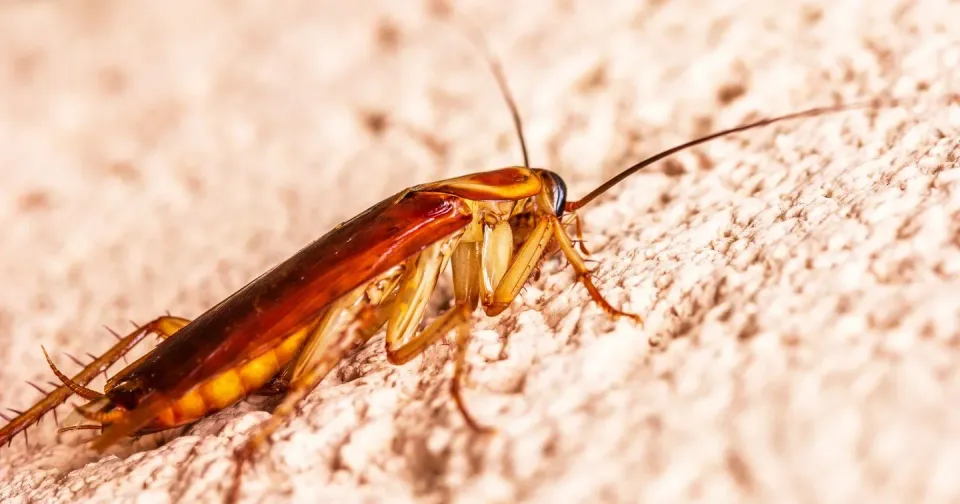
When cockroaches cross the kitchen after dark, check for food residue, water, and hiding places rather than assuming the room is dirty. Those conditions can draw roaches out to feed or drink, while the insects stay hidden in cracks during daylight. Wind can reduce the reach and consistency of outdoor spray applications, so a breezy-day treatment may not address exterior activity as intended.
Near Carhenge in Alliance, long drives home can leave little time to inspect cabinets; use a flashlight to check beneath the sink and around the refrigerator. Chimney Rock National Historic Site offers a familiar western Nebraska landmark, but homes across the state still need pest plans based on their own kitchens and entry points. Note where and when you see activity. We inspect those locations and explain practical next steps.
What draws roaches into kitchens after dark?
Cockroaches are often nocturnal, so a nighttime sighting may mean they have found food, moisture, or a protected route through the room. Check beneath appliances for crumbs and grease, dry the sink at night, and look around plumbing penetrations for gaps.
A cluttered cabinet or cardboard stored near a warm appliance can also provide harborage. Don’t spray every surface at random. That can miss the hiding place and leave food-contact areas exposed to unnecessary treatment.
Could Nebraska weather affect nighttime activity?
Nebraska’s continental climate brings hot summers and cold winters, and indoor kitchens can offer a steadier source of water and shelter than conditions outside. When a basement or crawlspace gets wet after heavy spring rain, inspect for leaks and damp storage; moisture near the foundation may contribute to the conditions pests use.
Freeze-thaw cycles can widen foundation cracks, so check the sill and utility openings for gaps that need attention. Seal openings around pipes where practical, but don’t block access that a technician needs to inspect.
How should you investigate a nighttime sighting?
Start with a flashlight and record the room, time, and direction each roach takes. Look under the sink, behind the refrigerator, around cabinet hinges, and along the wall-floor seam.
Place a glue board where children and pets cannot reach it, then check it regularly; it helps reveal activity but rarely solves an infestation by itself. Keep food sealed and wipe up spills before bed.
A single sighting can warrant monitoring, but repeated sightings, small roaches, or activity in multiple rooms deserve a closer inspection. We identify likely harborage and discuss a treatment plan based on what the evidence shows, rather than treating every room by default.
When is professional cockroach treatment the better choice?
If sightings continue after you remove food and water sources, or you find roaches in several rooms, arrange an inspection instead of layering store-bought sprays. That is the DIY line: simple sanitation and monitoring are reasonable for an isolated sighting, but repeated activity can point to hidden harborage or an entry route that needs a planned response.
Nebraska Pest Solutions checks the active areas and explains the treatment approach, including preparation and follow-up. Rapid temperature changes can affect the timing of exterior applications, so treatment choices should account for conditions on the service day.
For more on the inspection process, read what to ask before scheduling a pest inspection, or review our cockroach treatment approach.
Which Cockroach Treatment Option Fits the Problem?
If you spot one roach near the sink but keep seeing activity in several rooms, the right option depends on whether the issue is isolated or persistent. Start by matching the response to the evidence.
| Option | Best for | Key detail |
|---|---|---|
| One-time pest treatment | Current, limited activity | Targets observed pest activity; inspection findings guide scope. |
| Recurring perimeter pest control | Ongoing monitoring needs | One-time service targets current activity; recurring visits monitor changes. |
| Interior cockroach treatment | Roaches found indoors | Interior treatment addresses active pests; exterior work targets entry points. |
| Cockroach baiting | Activity near feeding and harborage | Baits target feeding; sprays treat contacted surfaces. |
A resident near the Bob Kerrey Pedestrian Bridge might compare a one-time visit with recurring monitoring based on repeat sightings, not the landmark itself. The Great Platte River Road Archway is a useful Kearney reference for local service planning, while Historic Haymarket District helps orient Lincoln readers. Ask what the inspection found, which areas are included, and how activity will be checked afterward.
How Do You Prepare for Cockroach Treatment?
Before scheduling, note the rooms and times where you see roaches and tell the technician about previous products used. A little preparation helps keep the inspection focused.
-
Confirm the target: Describe the insects and sightings so the technician can verify the pest and likely activity areas.
-
Clear access: Move stored items from beneath sinks and appliances so inspection can reach likely hiding places.
-
Protect the household: Secure pets and children away from treatment areas, and store food and dishes before application if instructed.
-
Allow inspection: Provide access to the garage and utility areas, and ask for the exterior foundation to be checked where relevant.
-
Follow instructions: Observe the product-label re-entry directions and keep any monitoring devices visible for scheduled checks.
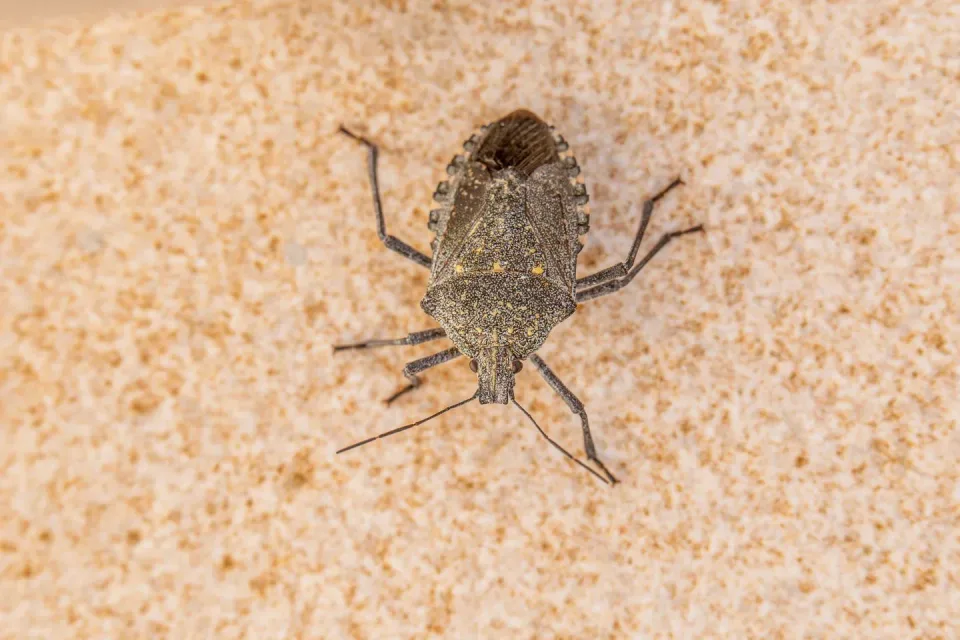
At Hastings Museum, visitors can follow Nebraska history indoors; at home, keep the technician’s inspection path clear. Around Memorial Stadium in Lincoln, busy household schedules can make preparation easy to overlook. Fall cooling also brings boxelder bugs to sunny walls, so don’t mistake every exterior insect for a cockroach share a clear description or photo.
Ready to Get Help With Nighttime Cockroaches?
If roaches appear after dark more than once, note the room, nearby water, and any gaps around plumbing before the next visit. Repeated sightings are a good reason to request an inspection and a clear treatment plan. Seasonal humidity differs between eastern and western Nebraska, so moisture conditions at your property matter more than a statewide assumption.
Severe thunderstorms and tornadoes occur in warmer months; after storm damage, check that exterior openings and utility penetrations remain sealed. Summer heat can also send insects indoors in search of moisture, making prompt leak repair and dry sinks useful prevention steps.
Nebraska Pest Solutions will inspect the activity, explain the recommended approach, and discuss follow-up. Contact our crew at (877) 729-2528 or explore Cockroach Control to plan your next step.