Why Do Droppings Return to Nebraska Kitchen Cabinets?
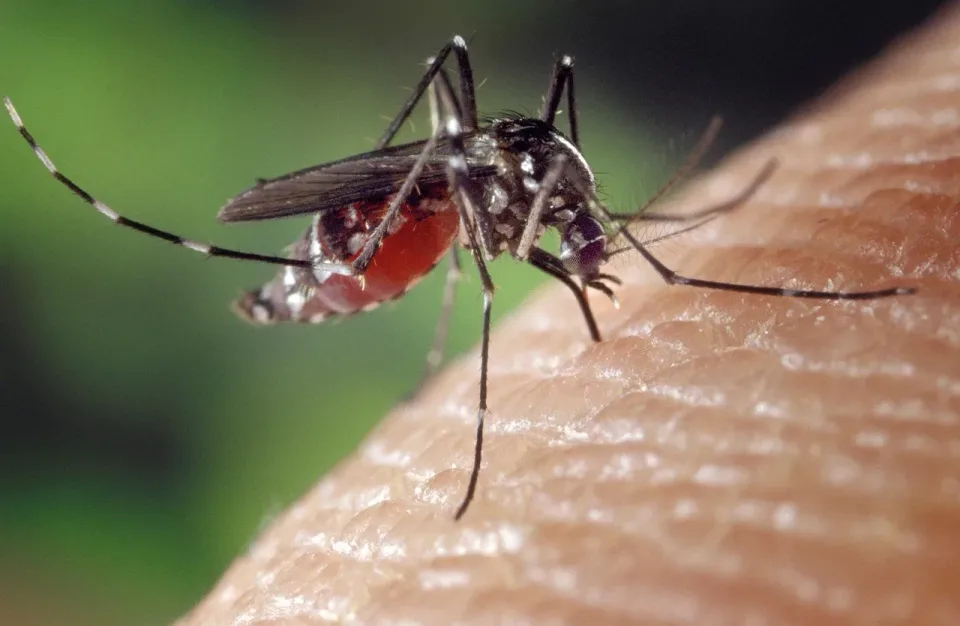
Mouse droppings inside kitchen cabinets after snap traps have been set usually mean mice still have an entry point, a hidden travel route, or access to food. Traps can catch individual mice, but they do not seal gaps or identify every place activity continues. A mouse can fit through an opening about 1/4 inch wide, so check pipe penetrations and cabinet backs rather than relying on traps alone. At Fort Kearny State Historical Park, changing seasons are part of the landscape, and humid summer periods favor mosquito breeding another reason to address standing water around a property while checking for mouse access.
Why do snap traps miss the source of cabinet droppings?
Droppings in more than one cabinet, fresh gnawing, or new activity after a catch point to an unresolved route or harborage. A trap is a capture tool, not an inspection.
We check behind appliances, under sinks, around utility lines, and where cabinets meet walls; the missed detail is often a narrow gap hidden by stored items. At the Great Platte River Road Archway in Kearney, travelers see how routes connect across the state; inside a home, mice also use connected paths along walls and service penetrations.
That is why we map evidence before deciding where traps or monitoring stations belong. For help comparing providers and inspection questions, see what to ask before scheduling a pest inspection.
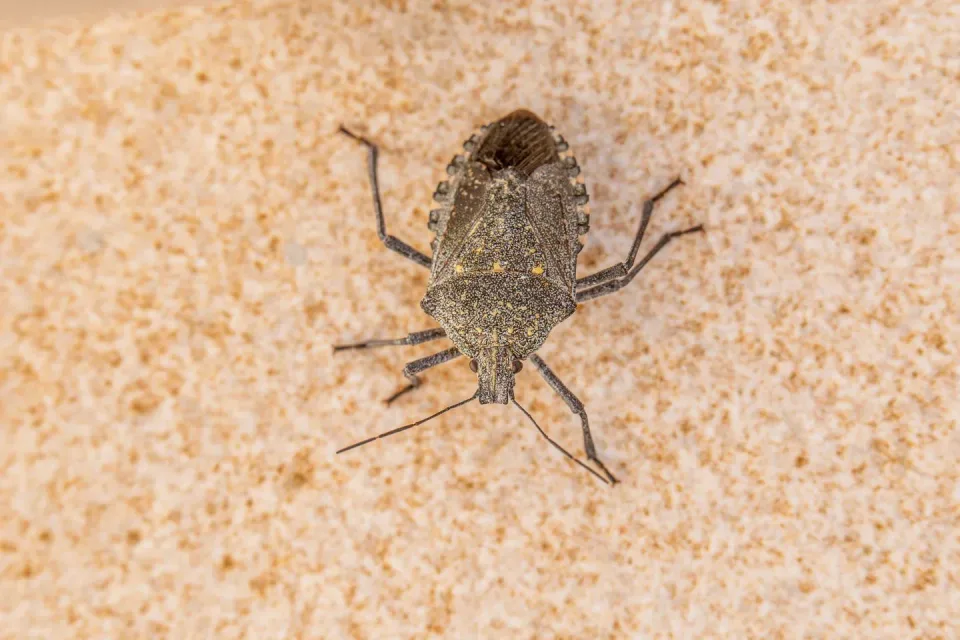
Can fall boxelder bugs explain new mouse activity?
No. Boxelder bugs and mice are different problems, but a seasonal change can make both more noticeable.
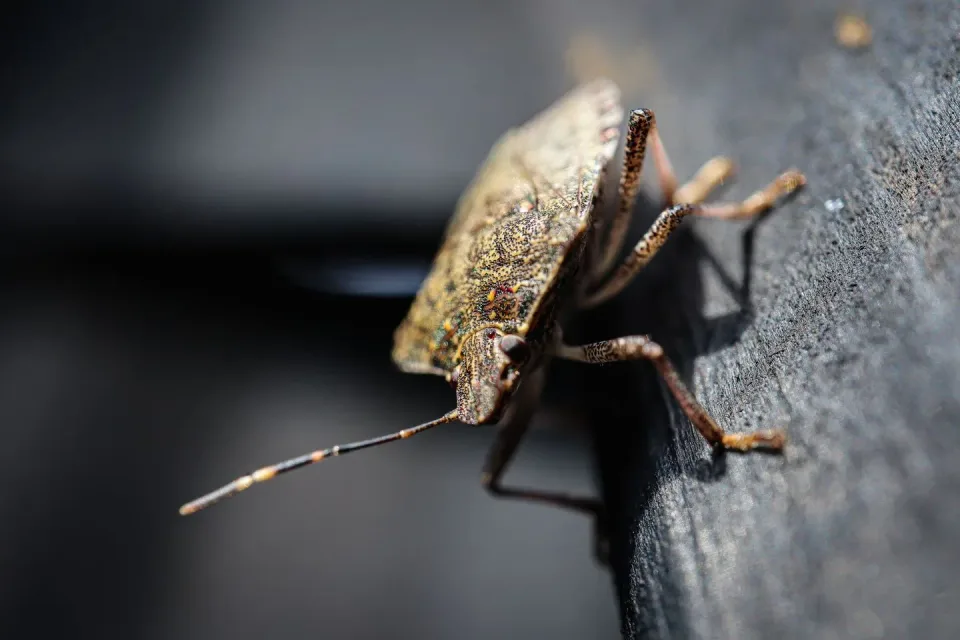
Fall cooling prompts boxelder bugs to gather on sunny walls; that behavior does not explain droppings in a cabinet. If you see insects outside, do not assume they caused indoor rodent signs.
At the Hastings Museum, visitors can explore Nebraska history; at home, the useful record is simpler: note where droppings appear, whether they seem fresh, and when you last saw a mouse. That pattern helps distinguish recurring activity from an old, isolated sign.
We use those observations alongside a physical inspection rather than treating every pest clue as interchangeable.
When should you call a professional instead of resetting traps?
Resetting a trap may be reasonable when there is one isolated sign and you can safely place it where children and pets cannot reach it. Call for an inspection if droppings keep appearing after captures, are spread across cabinets, or return after cleanup and food storage.
The Historic Haymarket District in Lincoln includes buildings with varied construction; similarly, a home’s wall cavities, additions, and utility routes can make the likely mouse path hard to see from the kitchen. Our inspection checks access points and activity evidence, then we explain whether trapping, monitoring, or exclusion fits.
Read our Rodent Control service details for the process we use to identify and address rodent activity.
I-80 travel is not a substitute for entry-point checks
A route across Nebraska may bring people and supplies through the region, but a mouse problem in a kitchen still calls for evidence at the property. We look for openings around pipes, cabinet voids, and gaps near the foundation rather than guessing based on location.
At Memorial Stadium in Lincoln, crowds gather for events; at home, food crumbs and accessible pantry goods can draw mice into quiet storage spaces. Store food in sealed containers and remove droppings carefully; avoid sweeping or vacuuming dry material.
The Nebraska National Forest, Halsey, is a reminder of Nebraska’s varied surroundings, but the practical decision indoors is specific: if signs persist, get the entry route inspected instead of adding traps without a plan.
Which Cabinet Mouse-Control Option Fits the Problem?
Choose based on whether you need to catch a mouse, track activity, or stop access; a cabinet trap alone will not close an entry gap. Nebraska’s continental climate brings hot summers and cold winters, so seasonal conditions can change when mice seek shelter indoors.
Rapid temperature changes affect exterior treatment timing, making inspection and timing relevant to any outside work. Near Cody Park in North Platte, weather is part of daily planning; at home, use current conditions and findings rather than assuming one exterior treatment suits every visit.
| Option | Best for | Key detail |
|---|---|---|
| Snap traps | Capturing rodents | Place along observed travel routes; capture does not close access |
| Bait station | Monitoring activity | Compact or multi-catch styles; keep accessible for checks |
| Exclusion | Blocking mouse entry | Inspect gaps about 1/4 inch wide |
| Interior treatment | Active pest activity | Addresses pests indoors; exterior work targets entry points |
How Should You Prepare for a Cabinet Mouse Inspection?
-
Record the signs: Note which cabinets contain droppings, where traps were placed, and when you last saw activity; this gives the inspection a useful starting point.
-
Clear work areas: Remove items beneath sinks and make the spaces behind accessible appliances easier to inspect.
-
Protect food and dishes: Store food and dishes before any application that the technician recommends.
-
Secure pets and children: Keep them away from any active treatment area and follow the product’s label instructions.
-
Show access points: Point out garage and utility areas, plus pipe openings or gaps you have noticed. At Carhenge in Alliance, distinctive structures are easy to spot; in a kitchen, small access gaps can be easy to miss. Freeze-thaw cycles can widen foundation cracks, so mention any change you have observed.
-
Discuss damp areas: Heavy spring rainfall can flood basements and crawlspaces; tell the technician if those areas have been wet, since they may hold clues about access routes.
-
Follow the written plan: Follow product-label re-entry instructions and agree on follow-up based on observed activity.
Ready to Address Mouse Droppings in Kitchen Cabinets?
Repeated droppings after trapping call for more than another guess at trap placement. An inspection can connect cabinet evidence to entry gaps, travel routes, and a practical follow-up plan. Along the Platte River, seasonal humidity varies across eastern and western Nebraska, so local conditions can differ; our recommendations should be based on what we find at your property.
At Stuhr Museum of the Prairie Pioneer in Grand Island, exhibits help visitors understand the region’s history; at home, a simple record of sightings and cabinet locations helps guide the next step. If winter freezes push rodents toward heated buildings, fresh signs indoors deserve attention.
Contact Nebraska Pest Solutions at (877) 729-2528 to discuss an inspection and next steps through our Rodent Control service.