Why Do Ants Cross Omaha Kitchen Counters?
Ants trail across kitchen counters because they have found food or water and are following a scent-marked route. Wiping the visible line helps, but the source may be under an appliance, behind a cabinet, or at a pipe opening.
Our inspection follows the ants’ path to identify likely entry and feeding points.
What draws ants across Old Market kitchens?
Ants usually follow a dependable supply: a sticky drop, an open package, pet food, or moisture near a sink. In the Old Market, where homes and businesses share a busy urban setting, a trail indoors still calls for a close look at the individual kitchen not an assumption about the building next door.
Check the counter edge, backsplash, cabinet corners, and the gap where a water line enters. Small crumbs can keep a trail active.
That variation can affect how quickly a damp area dries, so inspect beneath the sink and around refrigerator drip pans instead of relying on a surface wipe. Lauritzen Gardens is a familiar reminder that plants and moisture belong together; indoors, damp potting soil or a saucer can also draw foraging ants. Dry the area and remove the source where possible.
Can summer drought send ants inside for water?
Yes. Summer drought can send ants indoors for water, so a kitchen trail may persist even after you remove crumbs if a faucet leak, damp sponge, or condensation is still available.
Dry the sink rim, wring out cloths, and check for a slow leak beneath the basin. Then follow the line in both directions; ants may enter through a narrow gap and travel along a counter seam before reaching food.
A common miss is treating only the visible trail. Avoid spraying a bait trail, since treatment placement and product choice matter. Our crew begins with pest identification and inspection, then explains a plan that may include sanitation, baiting, or sealing an access point. See our ant control service for details on targeted help.
When should you try cleanup before calling a pro?
If you see a short trail and can find an obvious spill or open food source, clean it up, seal food, and watch the area. Give the ants time to stop returning after the source is removed. Do not scatter several products around the same counter; competing treatments can make it harder to learn what is attracting them.
Call for an inspection if trails keep returning, appear in multiple rooms, or seem to emerge from a wall or cabinet void. During an inspection, we check those access points and nearby moisture or food sources rather than treating the counter alone. The pest inspection service can help identify what is active and where it is traveling.
What should an ant treatment address?
A useful plan addresses the source and the route. That may mean removing food residue, correcting a moisture issue, placing bait where ants can reach it, and closing a suitable entry gap after activity is understood. Do not expect an immediate result from bait: it can take several days to reduce activity, and ants may remain visible while they feed.
The right approach also depends on the ant species and where the colony is located. We explain what we found, where a treatment would go, and what to monitor afterward.
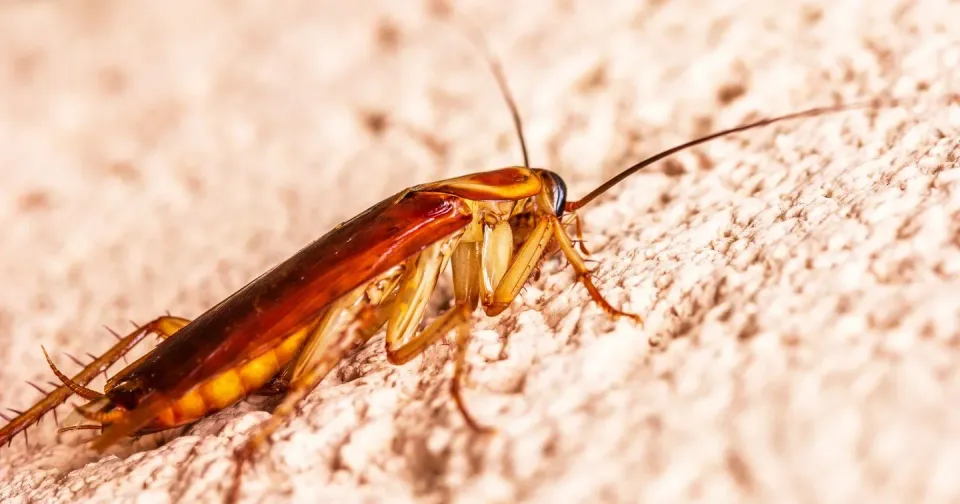
A service callback may be appropriate if the trail continues beyond the expected period in the treatment plan. For another household symptom, our guide to cockroaches appearing after dark explains why identifying the pest matters before choosing a response.
Which Ant Trail Response Fits Your Kitchen?
Choose based on whether the ants have a clear food source, an active trail, or a hidden entry point; one method does not suit every kitchen. Spring temperature swings can change pest activity, while rapid temperature changes can affect the timing of exterior treatment. Here are practical distinctions.
| Option | Best for | Key detail |
|---|---|---|
| Cleanup and monitoring | A brief trail with an obvious spill | Remove food and watch the route |
| Ant baiting | Ants actively feeding | Baits target feeding; reduction may take several days |
| Interior treatment | Active ants inside | Treats contacted surfaces or targeted locations |
| Exclusion | A located entry gap | Blocks access; treatment may still be needed |
At Scotts Bluff National Monument, visitors can see how far Nebraska spans; treatment decisions still depend on the home’s specific findings.
How Do You Prepare for an Ant Inspection?
Start by noting where the ants appear and when the trail is busiest. The Historic Haymarket District is another Lincoln landmark, but the kitchen details not the neighborhood name guide an inspection.
-
Record the trail: Note the counter, cabinet, or pipe area where ants appear and take a photo if the line changes.
-
Store food and dishes: Clear exposed food and put dishes away before any planned application.
-
Clear access: Move items from beneath sinks and away from appliances so the technician can inspect edges and utility openings.
-
Secure pets and children: Keep them out of active treatment areas and follow the product-label re-entry instructions provided.
-
Share treatment history: Tell the technician what products you have used and where you saw ants.
Fort Kearny State Historical Park is a Nebraska landmark worth knowing; at home, keep any monitoring devices visible and unobstructed after the inspection.
Should You Call for Help With Omaha Counter Ants?
If ants keep crossing your counter after you clean away food and water, the trail may lead to a hidden entry or a source you have not found. Start with the sink, cabinet seams, and pipe openings. Then note where the ants travel.
Pioneer Village in Minden is a reminder of Nebraska’s history; at home, the practical concern is keeping a kitchen dry and checking for openings after storms. Heavy spring rainfall can flood basements and crawlspaces, and damp conditions below a kitchen can contribute to moisture problems worth reporting during an inspection.
Thunderstorms and hail can also damage siding and rooflines, so check for new exterior gaps when it is safe. Pioneers Park in Lincoln is a familiar local destination, while your own kitchen needs a focused inspection.
Contact Nebraska Pest Solutions to discuss an inspection and a clear treatment and prevention plan.