What Do Termite Wings at a Window Sill Mean?
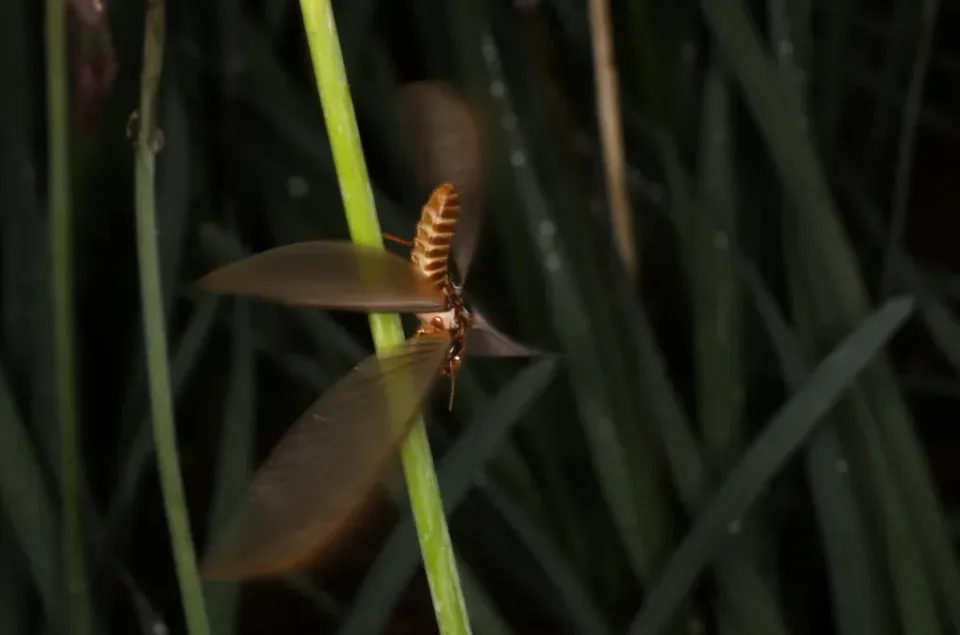
A small pile of matching wings by a window deserves a closer look, but it does not confirm termites by itself. Save a few wings and check nearby wood, the sill, and the floor for additional signs before cleaning the area. Wings may be shed by reproductive termites after a swarm; an inspection can help distinguish them from other insects and assess whether activity is inside or outside.
In Nebraska, homes near Fort Kearny State Historical Park may have different property surroundings than homes near Fort Robinson State Park, so the ground and building conditions around a house matter. Near Homestead National Historical Park in Beatrice, too, the landmark itself is no diagnosis: check the home, not the map. We inspect and explain what we find.
What should you check beside the window sill?
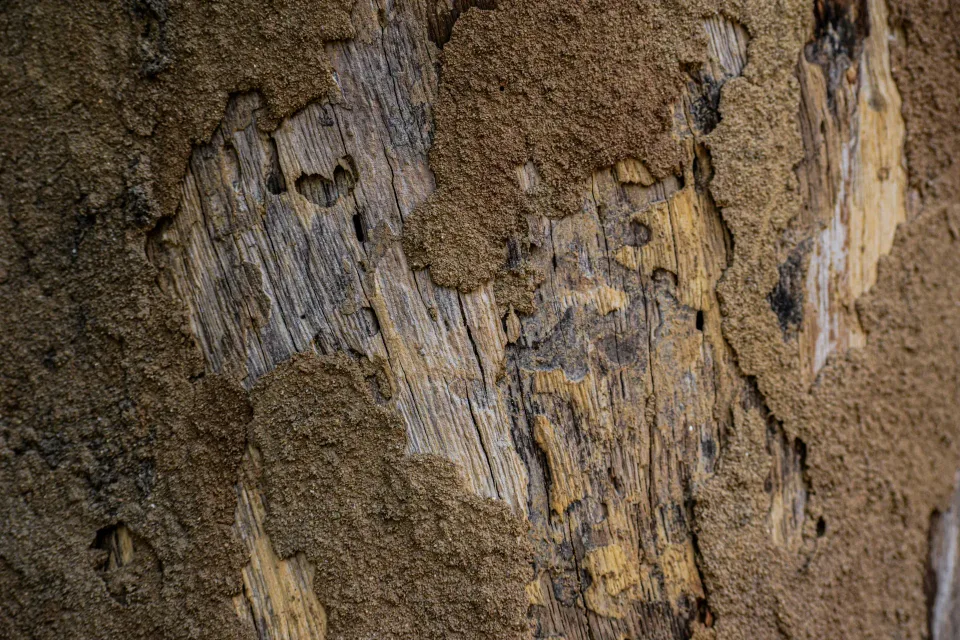
Termite wings near a sill are a clue to investigate, not proof that termites are eating the house. Look for several wings of similar size and shape, then check the sill, trim, and adjacent flooring for soft, blistered, or damaged wood.
Photograph the evidence before vacuuming it up, and note whether more wings appear in the same place. A few discarded wings may be all you can see, while a careful inspection can reveal whether the source is indoors, outdoors, or unrelated to termites.
Check the window frame and the wall below it without prying or cutting into finished materials. Record any dampness, staining, or wood that feels unusually soft.
These observations help an inspector focus on likely entry routes and determine whether a closer assessment is warranted. The useful detail is the pattern: repeated wings, damage, or other signs together deserve more attention than a single stray insect.
Do foundation cracks or basement water change the concern?
They can make the inspection more important. Freeze-thaw cycles can widen foundation cracks, so note gaps near the window wall and where the foundation meets exterior materials. Do not assume a crack proves termite activity; it is a condition to document and assess alongside the wings.
Heavy spring rainfall can flood basements and crawlspaces. If water has entered, tell the inspector where it collected and whether nearby wood or trim stayed damp.
Moisture and access conditions can affect what areas need attention, but a wet basement alone does not identify the pest. Around Eugene T.
Mahoney State Park in Ashland, as elsewhere in Nebraska, homeowners should base decisions on the actual property rather than assume all nearby homes share the same risk.
When should you call a professional instead of DIY?
If wings keep returning, you find damaged or soft wood, or you cannot identify the insect, ask for an inspection rather than applying a product at the sill. A single sweep and photo are reasonable homeowner steps; spraying without identification may leave the source unaddressed and complicate a later assessment.
We look at the evidence and explain the recommended next step before discussing treatment. Outdoor applications have limits: wind can reduce the effectiveness of spray applications, so conditions and the product label matter when deciding whether an exterior treatment is suitable. For related guidance, see our termite wings and window-sill checklist or learn about Termite Treatment.
What does a useful inspection establish?
It should establish what the insect likely is, where the evidence is concentrated, and whether wood or other parts of the structure show signs needing further evaluation. Ask the inspector to show you the evidence and distinguish observed conditions from possibilities. That simple step keeps a treatment recommendation tied to the property instead of a guess based on wings alone.
The surrounding setting can vary widely. Near Carhenge in Alliance, a homeowner’s property is not interchangeable with a house near the Chimney Rock National Historic Site.
If you are closer to Golden Spike Tower in North Platte, the same rule applies: check the building and findings directly. We document what we see, explain the plan, and discuss follow-up based on the inspection.
Choose the Next Step for Window-Sill Wings
For a one-time cluster, start with evidence and identification; recurring signs or visible wood damage call for a closer professional assessment. Nebraska’s continental climate, with hot summers and cold winters, means timing and exterior conditions can change across the year.
| Option | Best for | Key detail |
|---|---|---|
| Save and photograph wings | One isolated discovery | Record where and when you found them |
| Check sill and nearby wood | Looking for associated damage | Inspect trim, flooring, and adjacent wall |
| Professional inspection | Repeated wings or uncertain identification | Findings guide whether treatment is appropriate |
| Exterior treatment assessment | Suspected activity at an entry point | Product and conditions determine the approach |
Spring temperature swings can change pest activity, so note whether evidence appears again as conditions shift. Along I-80, Nebraska, homeowners encounter varied local conditions over long distances; a decision should still be based on the individual property. Near Cody Park in North Platte, just as elsewhere, rapid temperature changes can affect when an exterior treatment is appropriate.
Prepare the Window Area for Inspection
Start by photographing the wings in place and noting the date. Do not discard every sample before asking whether an inspector would like to see one.
Move curtains and furniture away from the sill so the frame and nearby floor are accessible, but leave trim intact. Tell the technician about previous treatments and any repeated sightings; that history can help focus the inspection.
A trip near Lake McConaughy in Ogallala does not change the need to document a home’s findings. Winter snow cover can conceal exterior entry points, so mention areas that have not been visible. If you are near Lincoln Airport, note any access limits around the home before scheduling.
Get a Clear Assessment of Window-Sill Wings
Termite wings by a window are a reason to inspect, not a reason to panic or spray without identifying the insect. Keep a photo, note whether the wings return, and look for nearby wood changes.
Summer drought can send ants indoors for water, but that is a different pest clue; accurate identification matters before choosing a response. For a careful inspection and a clear treatment plan, contact Nebraska Pest Solutions about Termite Treatment.