Why Do Mosquitoes Gather Around Standing Water in Nebraska?
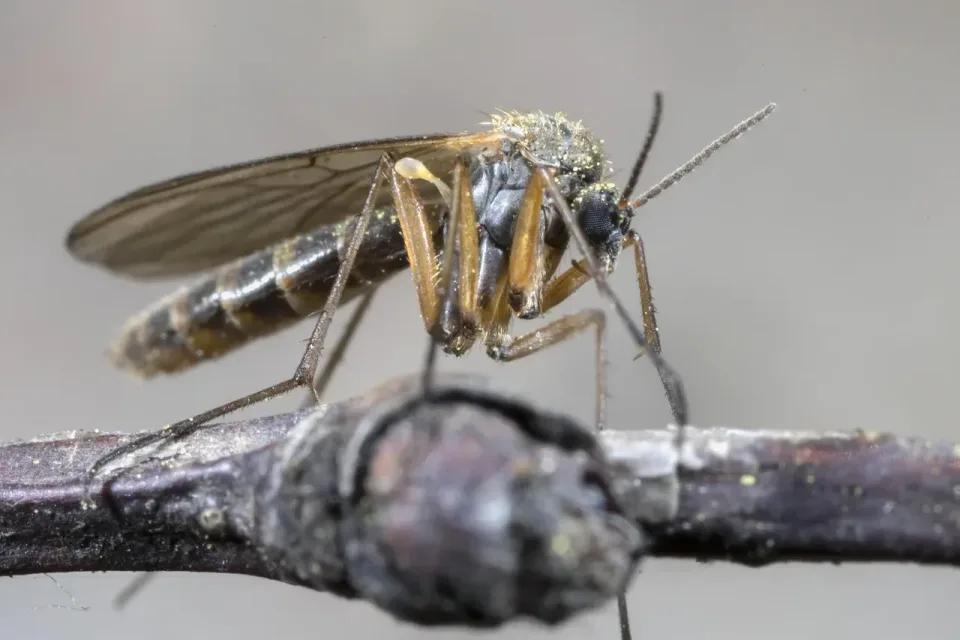
Mosquitoes gathering around standing water after a storm are a sign to check the yard for places water has collected. Tip out small containers and inspect low spots; water left in place can support mosquito larvae and keep the problem going. Act early.
Humid summer periods in Nebraska can make suitable breeding spots more productive, so check again after rain rather than relying on a single cleanup. Around Lincoln’s Nebraska State Capitol, the same practical rule applies to home landscapes: look for water-holding items and drain or remove them.
We have served Nebraska for more than nine years, and our inspections start by identifying where mosquito activity and potential breeding sites overlap. Check containers, drainage, and shaded corners, then ask what a professional inspection would cover if activity persists.
What should you check after rain along I-80?
Mosquitoes gathering around standing water call for a source check first. Walk the yard after rain and look for water sitting in buckets, plant saucers, toys, clogged drainage areas, or other containers.
Empty what you can, and correct persistent drainage problems rather than repeatedly treating the same spot. A quick inspection is useful even when the surface looks dry; water can collect out of sight in sheltered items.
Seasonal humidity varies between eastern and western Nebraska, so a cleanup routine that works in one part of the state may need more frequent checks elsewhere. We begin by identifying the pest and checking the property for conditions that may support activity.
The Nebraska National Forest near Halsey is a reminder of how varied Nebraska settings can be; at home, focus on the water-holding features actually present on your lot, not a one-size-fits-all schedule. For a broader overview of how we approach pest concerns, visit Nebraska Pest Solutions.
Does wind change outdoor treatment plans?
It can. Wind may reduce the effectiveness of outdoor spray applications, so an application made in poor conditions may not reach the intended surfaces as planned.
That is one reason we assess conditions at the property instead of treating the calendar as a guarantee. Ask what the product is intended to control, where it will be applied, and whether conditions are suitable at the time of service.
A spray is not a substitute for removing accessible standing water. At Arbor Lodge State Historical Park in Nebraska City, the landscape is part of the experience; at a residence, water-holding containers and drainage trouble deserve the same careful look before considering treatment. We explain the inspection findings and recommended plan so the customer can understand what prevention can address and what a treatment is meant to do.
When is a mosquito inspection more useful than another spray?
If activity continues after you have emptied containers and checked likely water sources, an inspection can help locate overlooked conditions and clarify what is driving the problem.
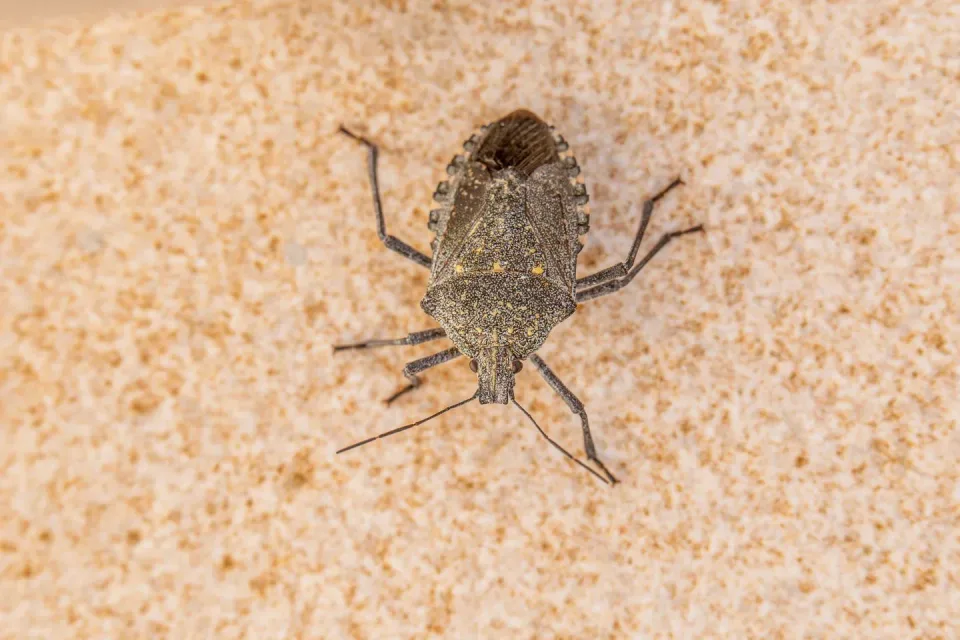
Fall cooling can prompt boxelder bugs to gather on sunny walls. That seasonal behavior is a separate pest issue, but it shows why pest identification matters: not every insect seen around a home is a mosquito, and the right response depends on what is present.
We inspect, identify, and explain the findings before recommending work. If you are unsure what you are seeing, ask what to expect from a pest inspection.
When should you DIY or call a pro?
DIY cleanup is a reasonable first move when you can safely empty or remove the water-holding item and correct the source. Call for an inspection if water repeatedly returns, the source is hard to reach, or mosquito activity remains a concern after you have addressed obvious sites. Do not apply a pesticide without first understanding its intended use and directions.
Ashfall Fossil Beds State Historical Park is a distinctive Nebraska destination; at home, your decision should be grounded in the conditions on your property, not in a comparison with a different landscape. Our crew can assess the site, explain practical prevention steps, and discuss whether treatment is appropriate. Read more about reducing mosquito activity around a property.
Which Mosquito Prevention Option Fits Your Yard?
If you have removed obvious water sources but still see mosquitoes, choose the next step based on what remains and where activity occurs.
| Option | Best for | Key detail |
|---|---|---|
| Yard inspection | Finding overlooked sources | Checks the property before treatment is considered |
| Source removal | Water in movable containers | Empty or remove items that hold water |
| Drainage correction | Recurring water in a low area | Address the reason water remains instead of repeating cleanup |
| Professional treatment assessment | Persistent activity after cleanup | A technician identifies the target and considers site conditions |
Summer drought can send ants indoors for water, a separate reminder that pest activity responds to changing moisture conditions; keep the inspection focused on mosquitoes and standing water. Thunderstorms and hail can damage siding and rooflines, so check for damage that may complicate exterior access.
Pioneer Village in Minden offers another Nebraska setting, but your own property’s conditions should guide your choice. Ask what the inspection found and what each recommended step addresses.
How Do You Prepare for Mosquito Prevention?
Start by noting where mosquitoes gather and which areas hold water. Nebraska’s continental climate brings hot summers and cold winters, so review outdoor conditions as the season changes, not just on the day of service.
-
Record activity: Note where and when you see mosquitoes, including areas near water-holding items.
-
Clear the yard: Empty movable containers and make the affected areas accessible for inspection.
-
Share site details: Tell the technician about recurring water, prior treatments, and locations where activity persists.
-
Plan around conditions: Rapid temperature changes can affect exterior treatment timing, so ask whether conditions are suitable on the scheduled day.
-
Review the plan: Spring temperature swings affect pest activity; discuss what was identified and when follow-up should be considered.
At Cody Park in North Platte, visitors enjoy an outdoor public space; for your property, keep the inspection practical and focused on the areas you use. Sunken Gardens in Lincoln is another local landscape, while a home visit should account for your yard’s specific access and water sources.
A Yard Check Is the First Step Toward Fewer Mosquitoes
Empty standing water where you can, then keep checking after rain and note any areas that refill. If mosquitoes remain active or the source is difficult to identify, an inspection can help clarify the next step.
Winter snow cover can conceal rodent entry points, so when snow clears, include a general look around the property for access concerns; that is a separate seasonal check, not a mosquito treatment. Nebraska Pest Solutions serves customers across Nebraska, including communities near Chimney Rock National Historic Site and Fort Robinson State Park.
For mosquito concerns, learn about our mosquito control service or call (877) 729-2528 to discuss what you are seeing and request a clear inspection plan.