What Should You Check After Bed Bug Bites Overnight?
Waking with new itchy marks does not confirm bed bugs, but it is a good reason to inspect the bed before spraying. Check mattress seams, the headboard, and nearby furniture for live insects, shed skins, or dark spotting; bites alone can have other causes.
We hear from people who want someone to come spray the whole house because they are getting bitten, but treating without identifying the pest can waste time and expose rooms unnecessarily. Nebraska National Forest, Halsey, is far from many homes, yet the same careful identification matters statewide: distance from a service center does not make a guess more reliable. Start with a focused check.
-
Strip carefully: Place bedding directly into a bag so it can be laundered without carrying anything through the home.
-
Check seams: Use a flashlight along mattress piping and the box spring edge.
-
Look nearby: Inspect bed-frame joints and the headboard before moving to other rooms.
-
Save evidence: Photograph any insect or spotting and avoid crushing a specimen you can safely contain.
Record what you find and where before deciding on treatment.
Which bedroom clues are stronger than bites?
Bed bugs biting overnight is alarming, but a bite pattern cannot identify the cause by itself. Look for small insects, pale shed skins, eggs, or dark marks concentrated around places where someone sleeps.
Inspect mattress piping and labels, the box spring, bed-frame joints, headboard seams, and the edges of nearby furniture. Use a flashlight and check slowly; the detail people often skip is the underside of the frame and the narrow joints where fabric meets wood.
Do not move a suspected mattress into another room, because carrying it can spread insects or make inspection harder. A clear photo or safely contained specimen gives an inspection a better starting point than a description of itchy marks alone.
How does an inspection work in Lincoln?
A useful inspection follows evidence from the bed outward. We check likely harborages first, then nearby furniture and room edges, and document what supports identification.
In a home near the Nebraska State Capitol in Lincoln, the address does not change that sequence: the inspected room and signs found there guide the next step. If the evidence is uncertain, avoid applying several products in different places; that can complicate identification and may expose people or pets without solving the problem.
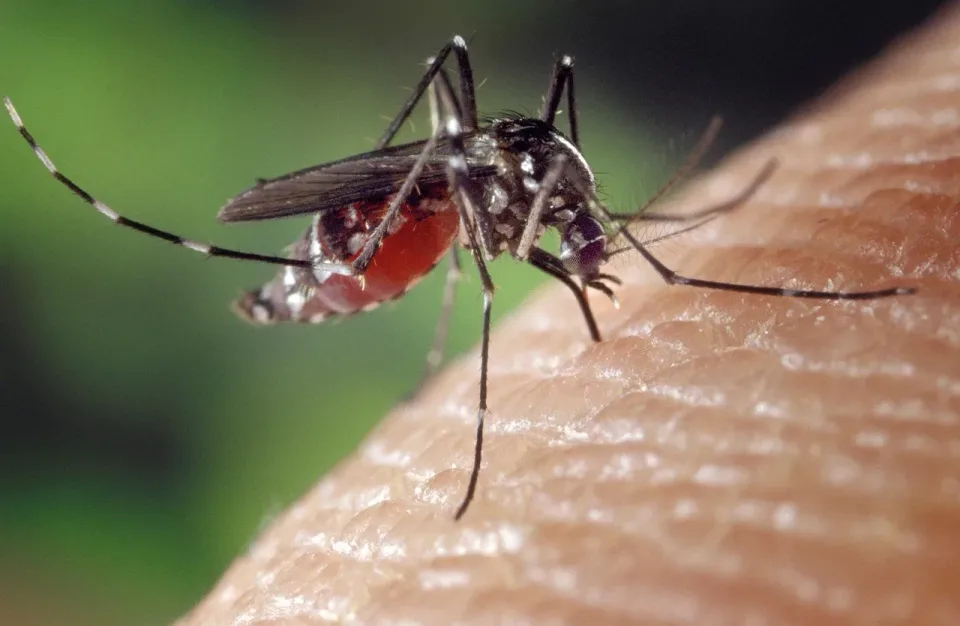
Nebraska’s humid summer periods favor mosquito breeding, but mosquitoes and other biting insects are not bed bugs. That distinction matters: a bite is a symptom, not a pest identification. Our crew explains what we find and what evidence supports a treatment recommendation.
When should you try a check yourself?
A careful visual check is reasonable when you have new bites but no other evidence. Wash bedding according to its care instructions, reduce clutter around the bed, and keep a written record of sightings and dates.
Skip foggers and improvised chemical combinations. They can leave residues, fail to reach hiding places, or scatter the problem without confirming what is present.
If you find a likely insect, repeated signs, or activity in more than one sleeping area, stop moving belongings between rooms and arrange a professional inspection. That is the threshold we use in practice: uncertainty plus repeated evidence calls for identification, not a stronger guess.
Our experience serving Nebraska homes means we focus on inspection findings and explain the next step before treatment.
What should I do before calling from I-80?
If you are away from home or arranging a visit while traveling along I-80, ask someone to leave the bedroom undisturbed rather than spraying or relocating furniture. Send clear photos, note which bed was used, and describe where marks or insects appeared.
That is not a quote for every home. A technician needs to inspect and define the scope before recommending a plan.
Keep the focus on the room with evidence, and avoid discarding a mattress before the source is assessed. We explain findings, recommended treatment, and follow-up in plain language, so you can make a decision based on the actual inspection.
Which Bed Bug Check Is Right for Your Bedroom?
Choose the next step based on what you can confirm, not on bites alone. The comparison below separates a first look from treatment decisions.
| Option | Best for | Key detail |
|---|---|---|
| Visual bedroom check | A first report of bites | Inspect mattress seams, frame joints, and nearby furniture; bites alone do not identify bed bugs. |
| Photo or specimen review | An uncertain insect sighting | A clear image or safely contained insect can help focus pest identification. |
| Professional inspection | Repeated signs or suspected activity | Inspection findings guide whether treatment is warranted and which rooms need attention. |
Seasonal humidity varies across eastern and western Nebraska, so keep the focus on confirmed bedroom signs rather than unrelated seasonal pests. Standing water after storms supports mosquito larvae, but that does not explain bed bug evidence indoors.
How to Prepare for a Nebraska Bedroom Inspection
Keep the suspected room available for inspection and avoid applying products before the visit. Tell the technician what you noticed and where; details can narrow the search. Heavy spring rainfall can flood basements and crawlspaces, so mention any damp lower-level areas if they may affect access or storage nearby. Prepare the bedroom first.
-
Confirm the target: Record the bedroom, bed, and dates associated with bites or sightings.
-
Secure people and pets: Keep them away from any active treatment area as directed by the technician.
-
Preserve access: Leave mattress seams, bed-frame joints, and nearby furniture available to inspect.
-
Share prior steps: Tell the technician about sprays, cleaning, or moved belongings.
-
Follow re-entry directions: Use the product-label instructions given for the specific treatment.
-
Plan follow-up: Agree on the next check based on inspection findings and pest activity.
Ready to Get Help With Overnight Bed Bug Bites?
New bites deserve attention, but the next move is checking for evidence not spraying every room. Note where you found signs, keep the suspected bedroom available, and avoid moving possibly affected belongings through the home.
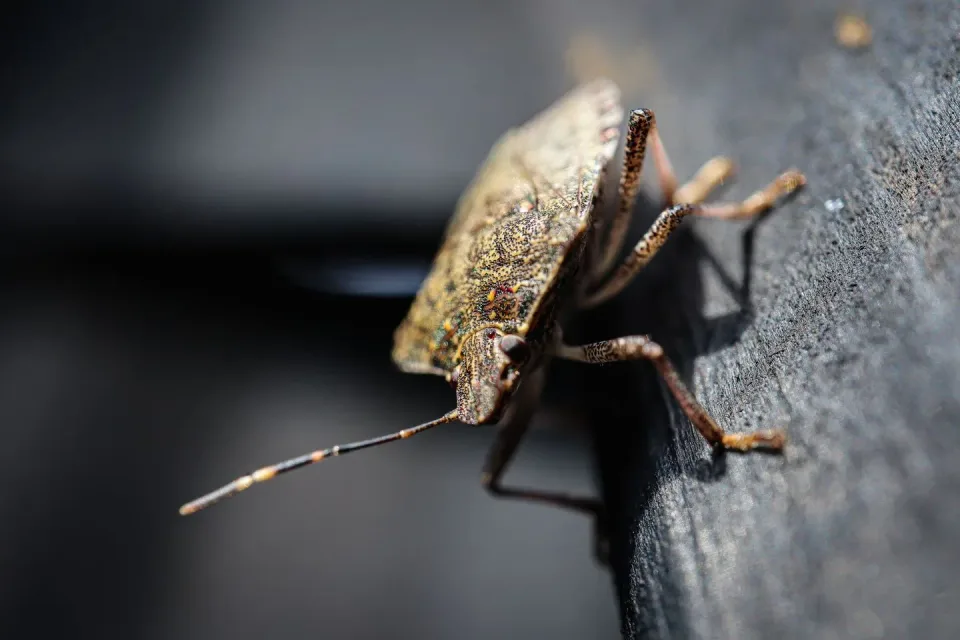
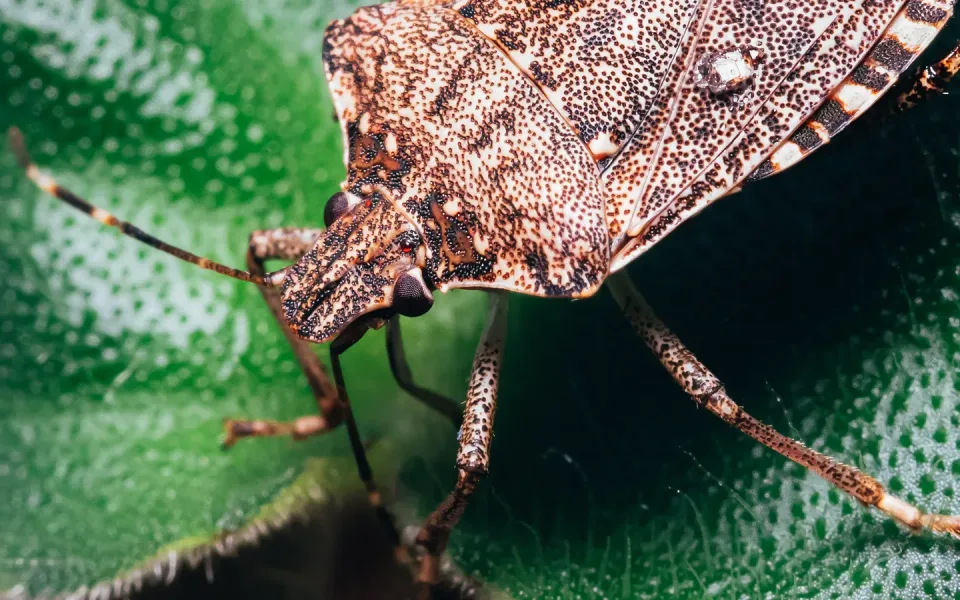
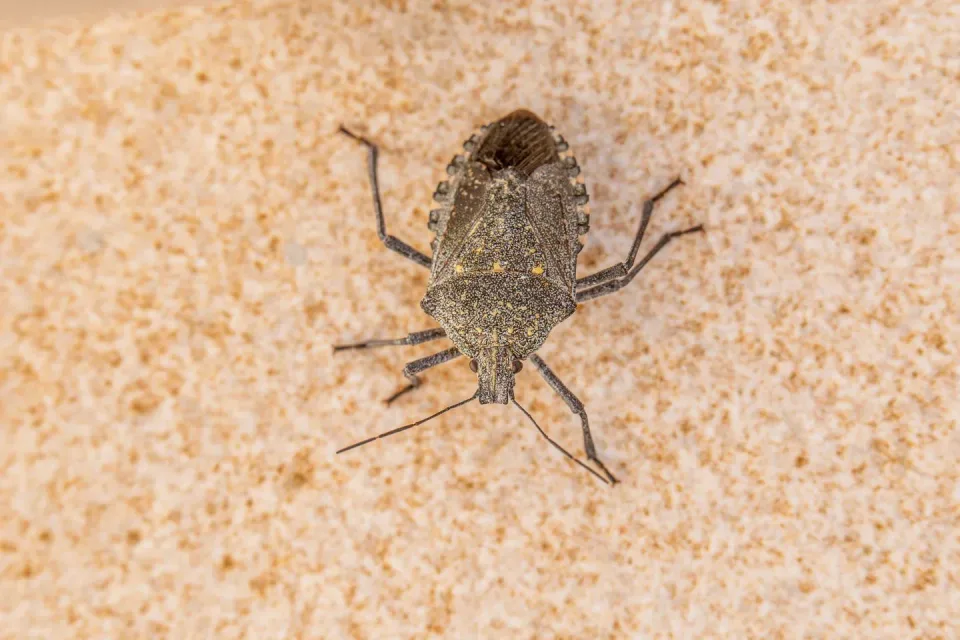
Fall cooling prompts boxelder bugs to gather on sunny walls; that seasonal behavior is a reminder that an insect near a bedroom window still needs identification before anyone assumes it is a bed bug. Chimney Rock National Historic Site gives Nebraska travelers a familiar reference point, but wherever you live, inspection findings should guide treatment.
Our crew explains the evidence, recommended plan, and follow-up. For a careful bedroom assessment, contact Nebraska Pest Solutions or learn about Bed Bug Treatment.